
Surplus: for massive public good
Our new incubator for software startups; apply by Jun 24

Surplus is an incubator for software startups, organized by Manifund and Mox — to create massive public good in the age of transformative AI. It’s a 3 month program, starting late July in SF. We provide seed funding, advice, peers, intros, and space to focus.
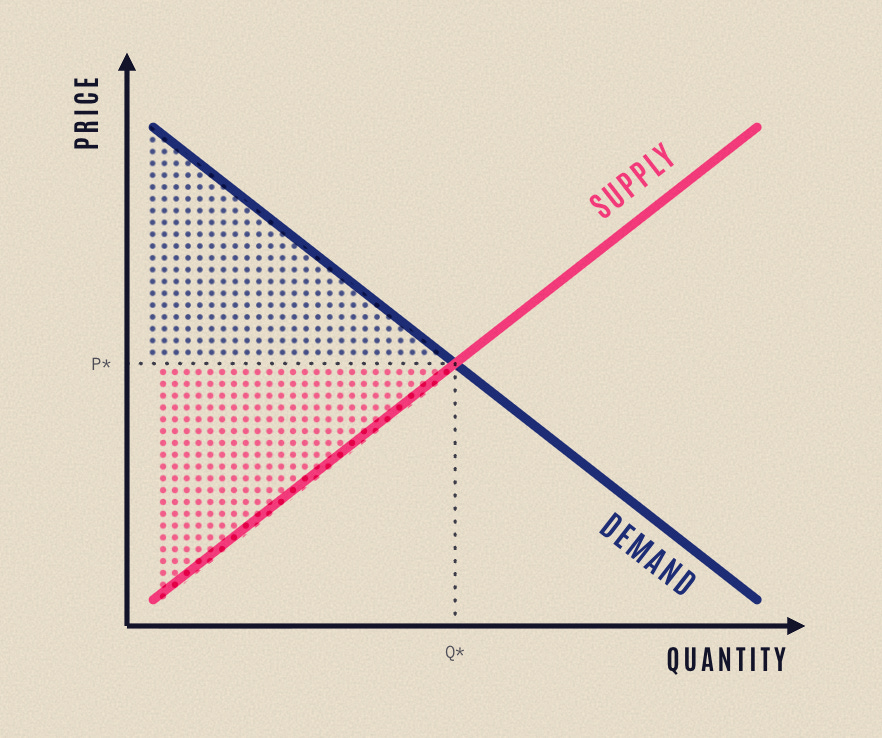
“Surplus” is the value created through positive-sum trades; what markets produce in abundance.
Apply here by June 24!
Projects we’re excited for
We’re open to many proposals, but here are three categories of projects we’re particularly well-suited to incubate. If your idea is adjacent — apply anyway!
1. AI for epistemics and coordination
LLM-powered tools that help people think better, work together, and build common knowledge.
Examples include:
Fact-checking like Community Notes or Pangram
Guardian angels/”Digital Twins”, as described by Gwern
Knowledge bases like Grokipedia or Longterm Wiki
Research reports like Elicit or Deep Research
AI forecasting like Mantic or Futuresearch
AI for dispute resolution — community investigations; prediction-market criteria
AI for democratic resilience, resisting authoritarianism
2. Public-facing websites
Many important concepts could be translated for a wider audience, with thoughtful design and an eye for virality.
Examples include:
Microsites like AI 2027, showcasing concepts through narrative & interactive design
Visualizations like Epoch and Our World in Data
Transparency for what’s happening inside labs, and across the AI supply chain
Courses like Bluedot, helping people upskill into relevant domains
Demos like Nicky Case’s, or of topics from recent alignment research papers
Games like Manifold or Universal Paperclips, teaching concepts through play
3. Community infrastructure
Marketplaces or platforms, addressing common problems in EA, AI safety, and others working towards a beautiful future.
Examples include:
Job platforms like the 80k Job Board or an “AI safety LinkedIn”
Or other opportunities — fellowships, grassroots political coordination
Funding platforms like Manifund or an open-source S-process
Or whitelabeled microgrant platforms like ACX Grants or Bluedot Rapid Grants
Or AI-powered grantmaking and review
Writing platforms like LessWrong, EA Forum, or Alignment Forum
What we offer
$100k in investment, as a SAFE at a $2m post-money cap
(Maybe a grant if you’re a committed nonprofit, but we’ll try to argue you out of this)
Work alongside a cohort of ~10 founders who care about xrisk and flourishing futures
Weekly office hours and mentorship
Dinners with speakers — shared meals with founders we admire
Office space at Mox, in San Francisco
Demo Day with aligned VCs and philanthropic funders
Timeline
June 12: Applications open
Apply via this form
June 24: Applications due
Rolling video interviews; decisions by July 1
July 27: Program kickoff
2 weeks of ideating & cofounder matching
10 weeks of mentorship, dinners with speakers
Oct 16: Demo Day
Pitch to an audience of angels, VCs and philanthropic funders
Virtues we cherish
We’re seeking founders who are:
Loving, wholesome, earnest
Humble, called to serve, takes out the trash
Caring, obsessive, dedicated to craft
Fast, iterative, gets things done
Idealistic, optimistic, dreamers
Scrappy, resourceful, practical
Open, honest, works in public
Naughty, humorous, spirited
Honorable, trustworthy
Bountiful, always project-ing
Scope-sensitive, econ-brained
FAQ
Why does Surplus encourage for-profit corps?
First, there are many standard reasons to use a for-profit corporation when trying to do good. For-profits operate with tight feedback loops. They can be more certain that they produce value (see: gains from trade, Paul Graham on wealth, “surplus”). They can tap into a much larger pool of available financing. They compensate founders and employees with high upside upon a successful exit, and thereby draw in better talent.
For-profit models are surprisingly flexible: Elicit, Apollo, Goodfire, Wave, Dwarkesh, Lighthaven and Manifest all demonstrate different approaches to making money while also serving the public interest.
Now is an excellent time to start a for-profit, given vast torrents of funding available from Anthropic employees and OpenAI Foundation. These funds are distributed out of 501c3 entities — but 501c3s can pay for for-profit services, and invest in for-profit corps. There’s a $100B market waiting to be constructed; shovels waiting to be sold.
And ideologically, we think that equity is a beautiful mechanism for value alignment and credit allocation. Manifund has previously experimented with impact certificates to bring this concept to the charity world; now, we think that plain ol’ corporate equity will work fine, maybe with a light sprinkling of retroactive funding or prize rounds or advance market commitments to finance public goods.
Why start a startup, rather than join a lab or an AI safety org?
It is absolutely the case that Anthropic or METR are great places to work. But maybe:
You’re well suited towards starting projects: you enjoy independence, ship fast, update quickly and are willing to fail
You think that establishing new orgs is good for accountability and avoiding groupthink, as a counterweight to frontier labs accumulating talent and money
You have an idea that you can’t stop thinking about, something you think will be great for the world, something that nobody else is doing (or worse: somebody is doing, but badly)
Why should I join an incubator, when vibecoding is so easy?
Building great software takes more than coding. Product taste, visual design, distribution, sales and marketing are all things that 2026 LLMs still fail at. We’ve developed these supplementary skills needed to ship successful products, and would love to foster them in a new generation of founders.
Beyond advice & mentorship, Surplus also provides a cohort of folks working on similar problems, some of whom may be great cofounders. And finally, an incubator is a container for focus, a commitment device, a way to hold yourself accountable and get your idea out into the world.
Do you accept non-software startups?
Maybe? We have the most experience on startups with a major software component, but have also built things like Manifest and Mox. Apply if you wish!
Is Surplus open to students?
Yes! If accepted to Surplus, we do ask that students plan to take a leave of absence in the fall, or otherwise prepare so you can work on your startup without distractions.
Can Surplus provide visas for international founders?
Yes! We can support accepted founders on a J-1 visa, through Mox. See Mox’s J-1 Global Expert Fellowship.